
News analysis · DraftKings · Regulation
DraftKings’ 21 Rivals Draws Florida Warning Over Casino Rules
DraftKings describes its card game as a contest of skill between players. Florida’s attorney general sees a casino product. The disagreement exposes the commercial importance of a durable legal basis for expansion.
In this article
Related company coverage: DraftKings Predictions and the economics of expansion.
Florida Attorney General James Uthmeier has challenged DraftKings over 21 Rivals, a recently launched head-to-head card game based on blackjack. In a post on 18 November, reported by SBC Americas, he characterised the product as casino gambling and said his office would contact the company.
DraftKings told SBC Americas that it considers 21 Rivals a peer-to-peer contest based on skill and welcomes a discussion with the attorney general’s office. The published warning did not specify a legal action. It should not be read as a court decision on the game’s status.
For DraftKings, the commercial question is how confidently it can invest in a new product while its classification is disputed. Product design can create a different customer experience and a different revenue model. A lasting business also needs a sound basis for continuing to serve those customers.
The cards are shared; the money is real
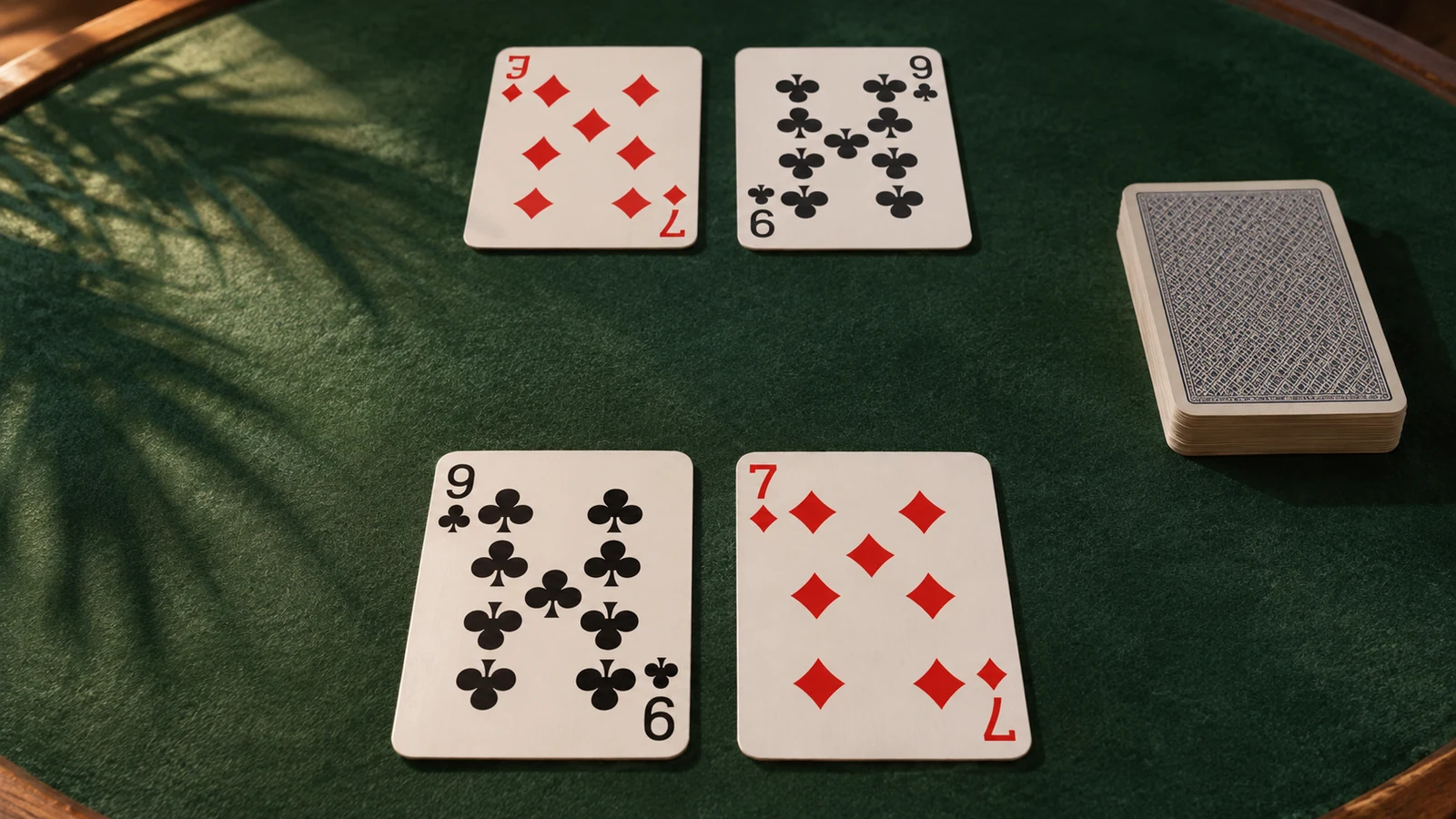
DraftKings’ indexed launch description presents a five-round contest against another customer, with a six-minute playing clock. Each plays against a simulated dealer. Both receive the same shuffle and dealer cards; their decisions can change the cards subsequently drawn. Virtual chips keep score and cannot be cashed out. The higher finishing chip balance determines the winner of the contest prize.
The paid contest still involves an entry fee and a cash prize. Legal Sports Report reported on 18 November that DraftKings retains 10% of the combined entry fees. That is an operator charge separate from the chip score.
This helps explain DraftKings’ skill argument. Equal starting conditions make the comparison between players’ decisions central to the format. The distinction deserves consideration on its substance. It does not, by itself, establish how Florida’s law applies to the complete arrangement of entry payments, gameplay and prizes.
For customers, the economic distinction matters too. Chips without redemption value can still be used to decide who receives a real-money prize. Understanding the price of entering a contest and the operator’s deduction is therefore part of understanding the product.

Florida’s history makes classification consequential
Florida’s 2021 compact with the Seminole Tribe provides the background. It establishes an exclusivity framework for specified gambling activities, including statewide sports betting, alongside revenue-sharing obligations. A new product’s classification therefore affects a market organised around an existing government-to-government agreement.
A separate complaint filed by the Seminole Tribe on 8 October 2026 targeted DraftKings’ Pick6 and sports prediction-market offerings. It alleged that they infringed Florida’s gambling rules and the Tribe’s rights. DraftKings disputed that characterisation in its response reported by SBC Americas. Those are opposing positions in another dispute, concerning different products.
| Date | Development | Relevance to 21 Rivals |
|---|---|---|
| 2021 | Florida–Seminole gaming compact | Background to the state’s existing gambling framework |
| 8 October 2026 | Seminole complaint concerning Pick6 and Predictions | A separate dispute over other DraftKings products |
| 10 November 2026 | 21 Rivals launch announcement | Product background, before the latest warning |
| 18 November 2026 | Uthmeier publicly challenges 21 Rivals | The new event examined in this article |
That history explains why a short public warning can carry commercial weight. It indicates that another format is attracting official resistance in a state where market boundaries are already contested. Each product nevertheless needs its own assessment: the argument about a card contest cannot simply inherit the legal arguments made for sports event contracts.
The attraction is a broader customer relationship
In our earlier examination of DraftKings Predictions, we looked at the gap between customer activity and the revenue left after promotions and costs. 21 Rivals opens another strand of the company’s expansion story. It has its own mechanics and charging model, so forecasts for Predictions cannot be transferred to the card game.
The potential appeal is straightforward. A familiar brand and existing customer relationships may help an operator introduce an additional activity without starting its marketing from the beginning. A new format could encourage repeat visits and generate fees from an audience the company already knows. These are commercial possibilities, rather than disclosed results for 21 Rivals.
The economics would depend on repeat participation, promotional spending, matching enough opponents and the cost of operating the service. A stated fee percentage says little about profit until those costs are understood. Restrictions or redesign could also shorten the period available to recover launch spending.
Brand recognition raises the need for clarity
A recognisable operator can make a new game feel familiar before customers have understood its rules. We would judge the quality of the proposition partly through how clearly it explains the contest, payments, prize calculation and dispute process. A label such as skill-based needs to be supported by an understandable description of what the customer is buying.
Clarity also matters when several products appear under the same company name. The rules governing one activity do not answer every question about another. That makes product-specific information valuable to customers and commercially important to an operator trying to preserve trust while expanding.
Our view: durable access belongs in the business case
Our view is that the same-card structure is a meaningful product feature deserving a reasoned assessment. Uthmeier’s casino characterisation is a challenge to DraftKings’ position; the published exchange leaves the legal question unresolved. The next useful developments would be a formal notice identifying the legal grounds, a more detailed company explanation or a court ruling addressing this specific game.
For the industry, the wider test is whether product innovation can support a dependable commercial presence. A launch creates an opportunity to attract customers. Its lasting value depends on retaining those customers, covering the cost of serving them and maintaining a legal basis on which the service can continue.