
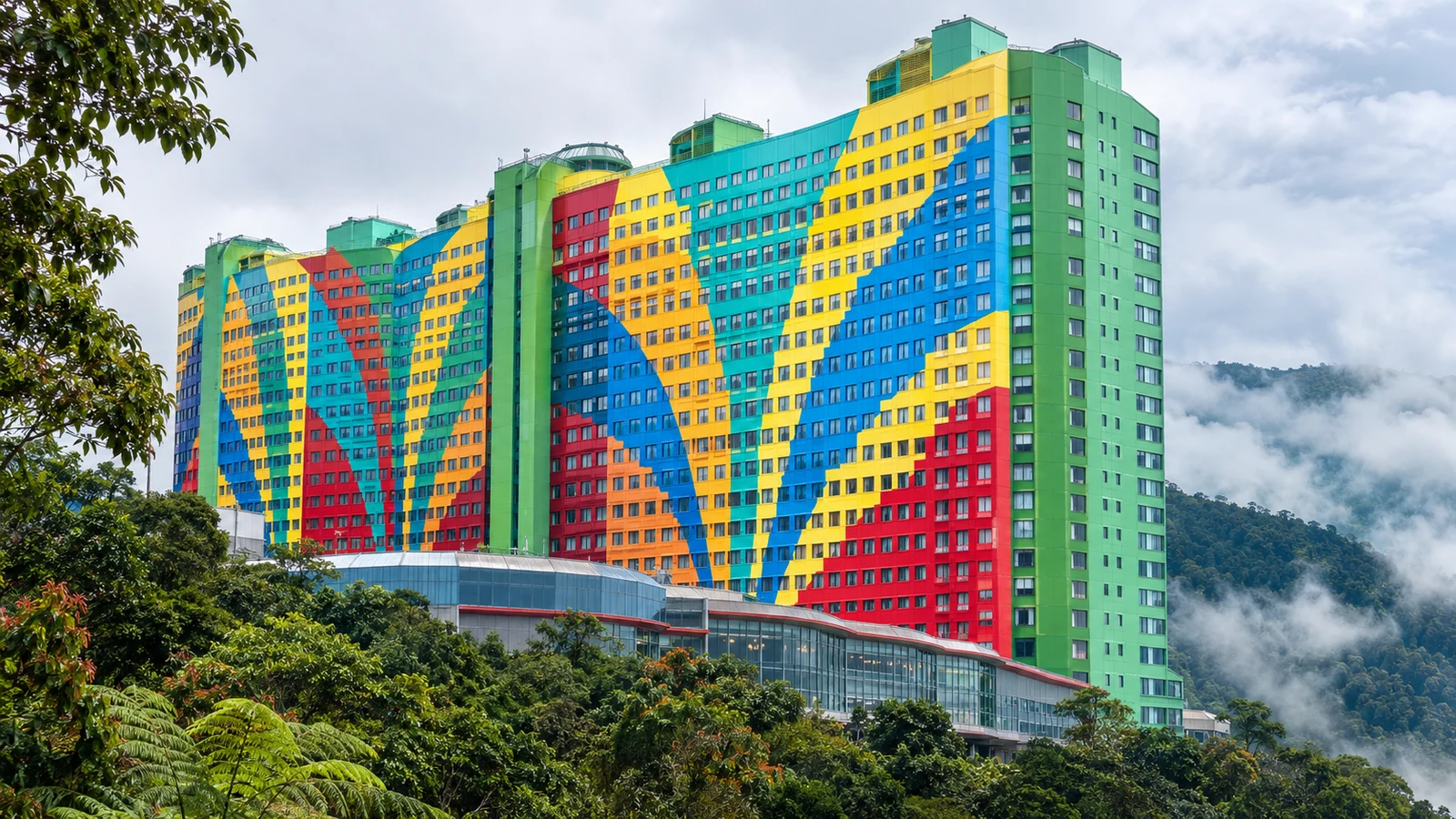
Genting has secured a High Court ruling against construction and earthworks for the proposed Genting Sky City development near First World Hotel in Malaysia. The case concerns the slopes supporting an established resort and its roads, giving the dispute significance well beyond the compensation awarded.
There is an important distinction in the timing. Inside Asian Gaming’s report on 23 November revisits a judgment delivered on 30 April 2026. The November coverage follows publication of the court’s detailed reasoning; it does not mark a fresh judgment or the end of the appeal process.
What has changed in November
 What has changed in November
The Edge Malaysia reported on 19 November that the 275-page grounds of judgment were dated 29 October and uploaded to the e-Judgment website on 16 November. Its report said the defendants were appealing against parts of the decision, with the matter pending before the Court of Appeal.
That sequence matters to the business story. The published reasoning gives readers more detail about why the High Court intervened. It also requires a narrower reading of the word “victory”: Genting obtained substantial relief at first instance, while the appellate proceedings remain relevant to the eventual outcome.

How a neighbouring project became a six-year dispute
The plaintiffs are Genting Highlands Bhd, Genting Malaysia Bhd and First World Hotels & Resorts Sdn Bhd. They brought the action in February 2020 against six defendants, including developer GM Aero Support Sdn Bhd and contractor Sycal Bhd.
The proposed Genting Sky City development should be distinguished from Genting’s own resort. The Edge described a neighbouring scheme of ten blocks containing hotels, commercial suites and parking northeast of First World Hotel. Genting put its distance from the hotel at about 100 metres.
An earlier Genting legal disclosure, included in Resorts World New York City’s 2025 casino application, helps explain the origins. It records the plaintiffs’ objections over approvals and steep slopes next to the hotel and main road. It also records the defendants’ counterclaim over alleged obstruction of access to their site. Those were the parties’ positions in an ongoing dispute, rather than findings established by that disclosure.
The conflict therefore involved both development rights and the protection of existing property. The defendants maintained that the scheme was safe and properly approved, according to the Malaysian reporting. They also argued that the litigation sought to obstruct competing development.
Named plaintiff
 Genting Malaysia
Property context
 First World Hotel
What the High Court ordered
Free Malaysia Today’s contemporaneous report on 30 April said the court found that the project lacked valid planning permission and that excavation had proceeded without valid earthworks approval or approved building plans. The reported relief included restraints on further works and restoration of the affected slopes.
Judge Aliza Sulaiman’s ruling awarded MYR243,800 in general damages and MYR2 million in costs. These are separate categories of civil relief. They should not be read as a regulatory fine or an estimate of future hotel revenue.
EdgeProp’s November account describes the preventive aspect of the decision: a court-appointed expert’s assessment indicated that strengthening was needed before construction could proceed. The reported concerns included drainage, water seepage and support for occupied buildings and the resort’s outer ring road.
That account also says the injunction concerns the project and works examined at trial, leaving open the possibility of future development on the land. It does not establish that another proposal would receive permission. Equally, the Genting companies did not obtain everything they sought: reports say their claim for exemplary damages and the defendants’ counterclaim were dismissed.
| Category | Reported amount or order | What it establishes |
|---|---|---|
| General damages | MYR243,800 | A civil damages award, not a regulatory fine or a forecast of hotel revenue |
| Costs | MYR2 million | A separate category from general damages |
| Works and restoration | Restraints on further works and restoration of affected slopes | Court-ordered restoration; the order itself does not establish completion or the present slope condition |
Why the operating resort matters more than the award
Resorts World Genting describes First World Hotel as having 7,351 operational rooms across three towers. Its official material also places the hotel close to shopping, attractions and the cable-car network. That scale explains why neighbouring earthworks can become a strategic issue for a resort operator.
In our view, the commercial value of the judgment lies chiefly in protecting the conditions that let an existing destination function. Hotel capacity depends on more than rooms being available to sell. Guests, employees, supplies and emergency services all need reliable access. Disruption to shared infrastructure can reach businesses beyond the edge of a construction plot.
That is a business-risk assessment, rather than a claim that disruption has occurred. The damages award addresses a particular form of relief. It does not quantify avoided disruption or forecast a revenue uplift.
Our assessment: a significant ruling, with practical work still to assess
We see the case as a reminder that an integrated resort’s exposure extends outside its own building programme. The condition of neighbouring land and the way another developer manages excavation can matter to the established operator’s business continuity.
The defendants’ competition argument deserves acknowledgement, because an incumbent can benefit commercially when a nearby project is restrained. But commercial rivalry does not resolve the separate questions of permissions, slope support and responsibility for works. Those questions require evidence specific to the site.
The useful next developments will be the appeal outcome and verified progress on the restoration ordered by the court. Until then, We would read this as a substantial first-instance result for Genting’s protection of its existing assets. Its lasting significance will depend on what the legal process and the physical works ultimately deliver.