
US news analysis · Bally’s Corporation
Bally’s lines up $560m after its liquidity warning
New loans and extra GLPI capital support debt repayments and the Chicago project. The harder test is matching commitments, cash availability and obligations.
In this article
Related coverage: Bally’s Intralot, evoke and the integration test.
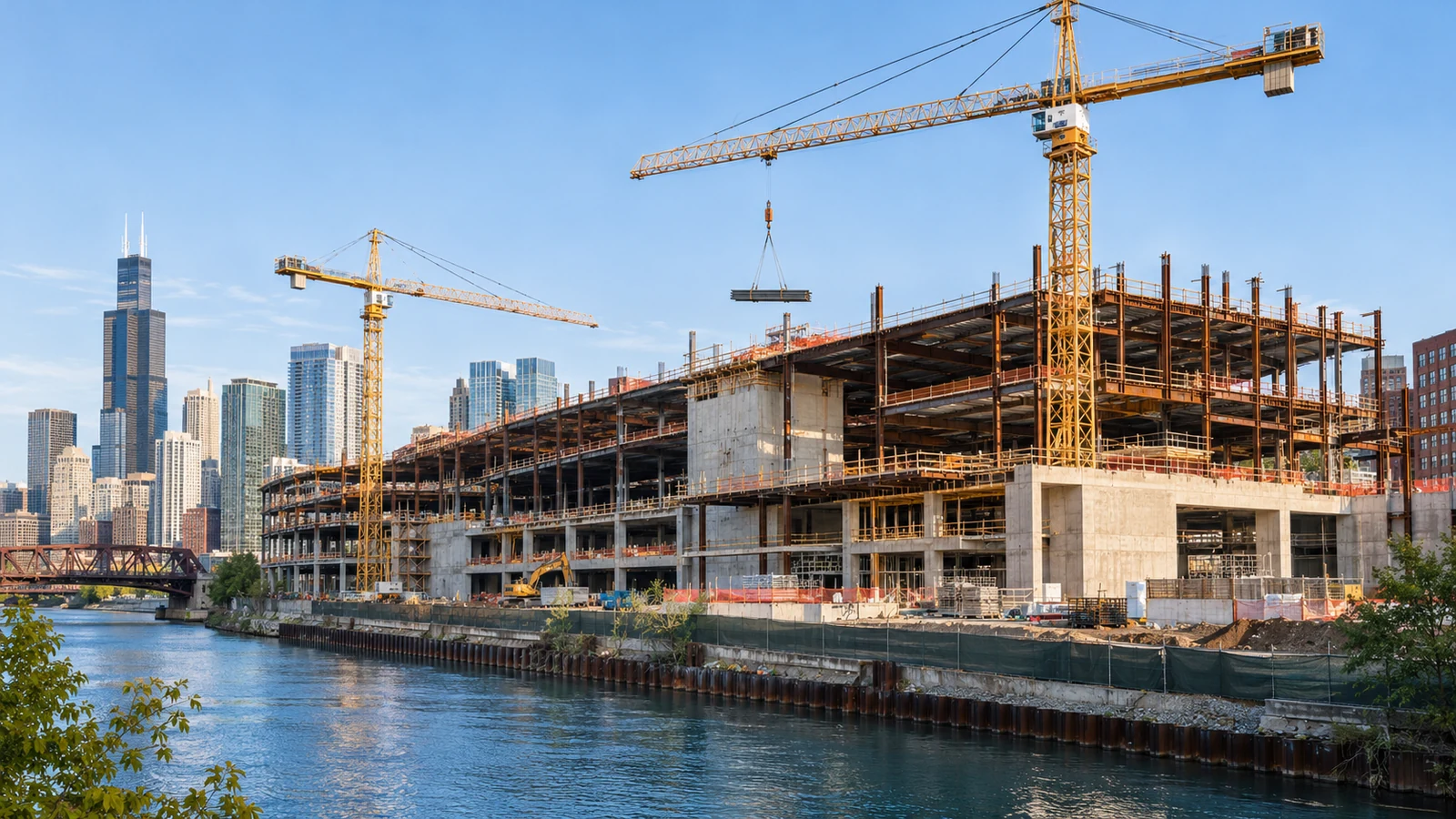
Bally’s Corporation has announced $560m of financing commitments for debt repayments, general corporate needs and further development of its Chicago casino. The 17 November package combines new loans with additional capital from property partner Gaming and Leisure Properties, or GLPI.
The announcement followed a warning in the group’s third-quarter filing. Bally’s said substantial doubt remained over its ability to continue as a going concern: to keep operating and meet its obligations. Its forecasts indicated difficulty meeting revolving-credit requirements, even after financing primarily intended for its Bronx project.
What the new money is intended to do
| Funding arrangement | Amount | Purpose and status |
|---|---|---|
| 17 November: second-lien term loans | $500m net proceeds | Commitment letter with affiliates of existing lenders; intended for certain debt repayments and general corporate purposes. |
| 17 November: additional GLPI capital | $60m | Chicago development capital, subject to regulatory approval; takes GLPI’s development commitment to $1bn. |
| Earlier Bronx facility | Up to $560m | The 10-Q reports $400m funded on 1 October and $160m of delayed-draw commitments for further pre-construction spending. |
Bally’s said the new commitments improved its liquidity position. As final documentation and regulatory approval progressed, it expressed confidence in meeting the coming year’s cash flow requirements. The release envisages additional Chicago development phases during 2027.
The allocation matters. Financing committed to construction is not automatically available for every corporate payment. New loans partly used to repay existing debt also cannot be treated as an equal increase in freely available cash or a simple measure of the change in net debt. The company’s project funding and its day-to-day financial flexibility need separate assessment.

A Chicago project financed over several years
Chicago’s casino story predates this funding round. Bally’s opened its temporary Medinah Temple casino on 9 September 2023. Its later anniversary statement described demolition at the former Chicago Tribune Freedom Center site as preparation for the permanent development.
On 12 July 2024, GLPI set out plans to fund up to $940m of construction hard costs. The arrangement envisaged GLPI owning funded improvements and leasing them to Bally’s, with rental payments beginning as advances were made.
That history shows why a headline construction commitment is only part of the business case. Property finance can make an expensive development possible while creating continuing rental obligations. The eventual operating business must earn enough to support those commitments alongside its other costs.
The financing challenge also extends across projects. The Bronx arrangement reported in the quarterly filing had its own borrower, Bally’s New York Operating Company, and its own funding timetable.
The warning concerns cash and loan conditions
Bally’s missed a minimum liquidity test at 30 September, then obtained a conditional waiver on 1 October. The filing forecast another shortfall at year-end without further relief. Its revolving facility was classified as a current liability, an accounting treatment rather than a new contractual repayment date.
For creditors, the useful questions concern which claims receive repayment, the conditions attached to continued support and the funding still required after those payments. For shareholders, new capital must be judged alongside the obligations it creates and the cash it ultimately leaves available. Those questions require the final arrangements and subsequent disclosures.
The short financing announcement provides no full pricing or drawdown schedule for the new second-lien loans. Estimating an exact interest bill or treating every commitment as cash already received would go beyond the information it contains.
Bally’s Intralot has a different debt position
The 10-Q states that Bally’s Intralot does not guarantee Bally’s Corporation’s debt and that non-compliance with the parent’s revolving facility has no implications under Intralot’s debt documents. That distinction is important when assessing the wider group.
The GambleBallers view
Our assessment is that the package demonstrates continuing access to capital, while leaving an execution test. The useful measure of progress will be whether the completed financing matches the dates on which money must be spent or repaid. A large funding headline becomes more valuable when the company can show how those dates fit together.
For Chicago’s project partners, suppliers and prospective workforce, funding supports confidence in a path towards completion. They will also need a credible construction programme and reliable payment arrangements. GLPI’s additional commitment strengthens its involvement, making delivery and the operating economics of the completed property relevant to both sides of the relationship.
The longer-term test reaches beyond opening a casino. Construction finance bridges a period of heavy spending before a permanent property can produce its intended earnings. Once operating, that property must support maintenance, staffing, rent and financing costs. A strong development pipeline can therefore coexist with a demanding cash position for an extended period.
We would look next for confirmation of financing completion, the resulting debt repayments and loan terms, and progress against the Chicago development phases. Those disclosures would make it possible to assess how much flexibility the new capital provides. Bally’s has presented a plan to meet its needs; its next task is to demonstrate that the plan works through cash flow and delivery.